Rules
Part of 4 details of small museum destinations people miss
Accessible options for small museum visits, in plain terms
How to find out whether a small museum is genuinely usable: the questions to ask, the standards behind them, and services worth requesting ahead.
The word accessible tells a traveler almost nothing. A museum may have a ramp at the front and nothing else, or level entry, a lift, seating, a hearing loop and staff who bring an object to a table.
What to take away
- Ask about features and barriers, never about whether a place is accessible.
- Federal buildings follow published design standards you can read for yourself.
- Services such as interpretation or braille material usually need advance notice.
- Historic buildings have real constraints, so ask what the workaround is.
What large institutions publish, and why it helps
Reading how a well-resourced institution describes its provision gives you the vocabulary to question a small one. The National Archives sets out its position on facility disability services.
It holds braille copies of the Constitution and the Declaration of Independence, available through visitor services. Most research facilities and all presidential libraries provide text telephone devices for quick face-to-face communication with deaf and hard of hearing visitors, with interpreters arranged separately.
The standards behind the ramp
The dimensions are not a matter of opinion. Accessibility guidelines for buildings and facilities covered by the Americans with Disabilities Act and the Architectural Barriers Act are a published federal regulation. The guidelines themselves run to appendices on scoping and technical requirements, and form the basis for the standards adopted by the Departments of Justice and Transportation.
You do not need to read them. Knowing they exist lets you ask whether a museum's entrance was built to them, and hear the difference between yes and probably.
The questions that actually produce answers
Questions to ask a small museum
- Is there a step at any entrance?
- How wide is the narrowest doorway?
- Is there a lift to upper floors?
- Is there seating in the galleries?
- Is there an accessible toilet?
- How far is the nearest parking?
- Can an object be brought to a table?
- Is large print or text available?
Before you call, check the website. Search the site for access or accessibility, then read the access statement, the visit page and the FAQ. Look for a named contact, a phone number and a line about barriers, not just facilities.
Copy these and send them as they are.
Questions that produce answers
- Is the entrance step-free, and how wide is the doorway?
- How many steps are there between the street and the galleries, and is there a handrail?
- Is there a lift to every floor, and does it stop at the exhibitions?
- Are there seats in the galleries, and can I borrow a stool or a wheelchair?
- Is there a hearing loop, and where does it work?
- Can I get large print or braille labels, and how much notice do you need?
- May I bring an assistance animal into every gallery, including storage?
- Who handles access questions, and what is their direct number?
Services worth requesting in advance
Interpretation, guided description, quiet visiting times and object handling all depend on staff who may work two days a week. Notice periods are typical, not fixed: interpreters usually need about two weeks, and braille material often takes three. Confirm the week before. Small museums will improvise if given time and cannot if not.
Here is an email you can copy.
"Hello. I would like to visit on a date in June and I use a wheelchair. Is the entrance step-free and how wide is the doorway? Is there a lift to all floors? Do you have a hearing loop or large print labels? Thank you."
On the phone, say the date first, then the hardest barrier, then ask for a name.
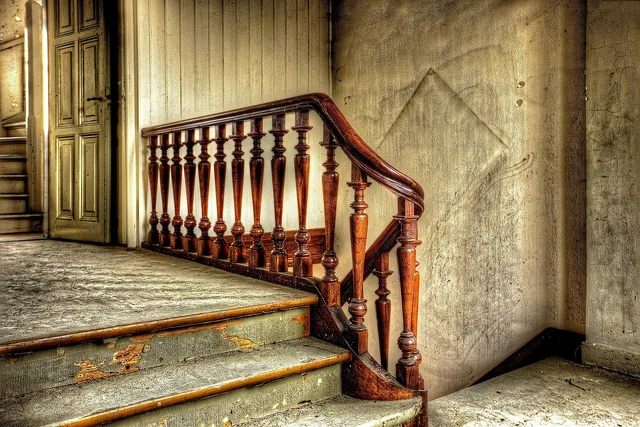
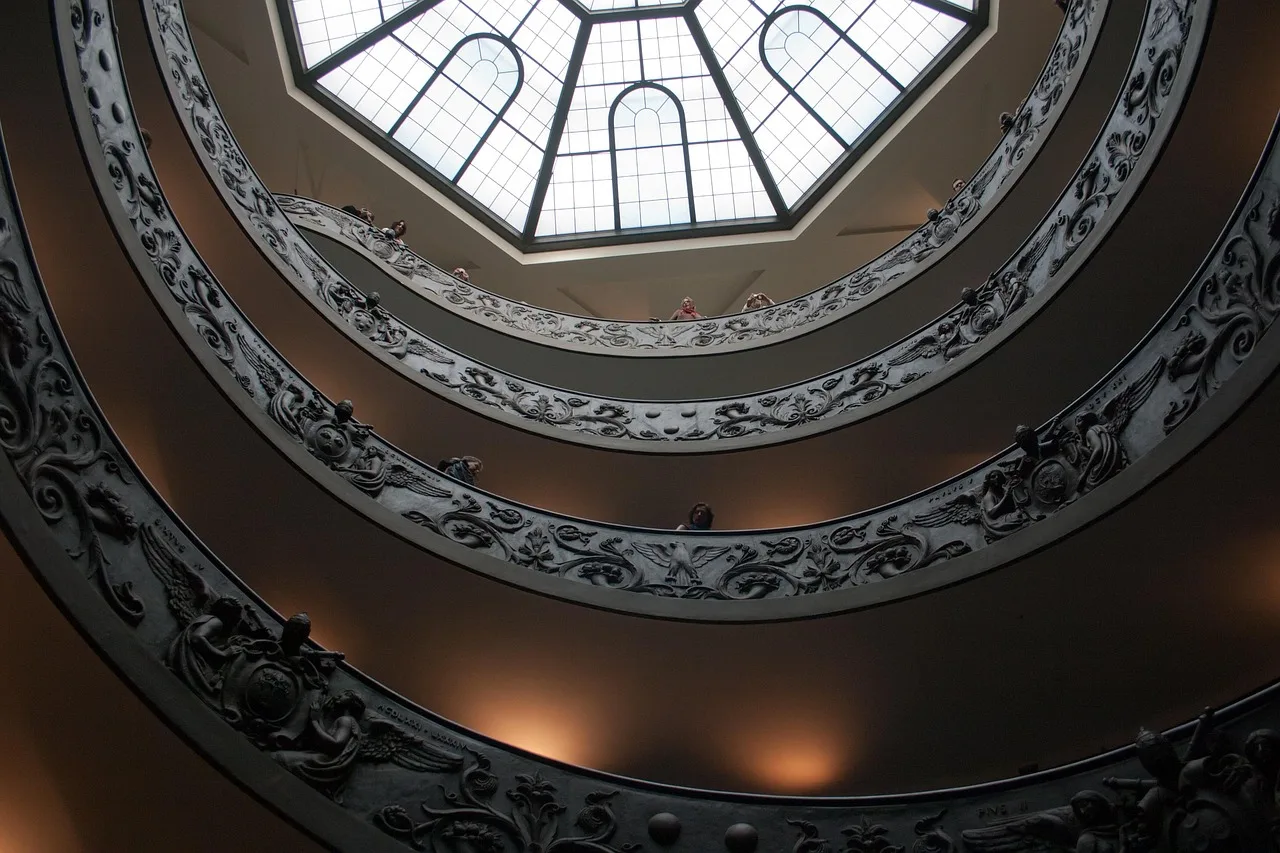
Historic buildings are the hard case. A mill with a spiral stair cannot be made level, and honest staff will say so. What they can often do is bring material downstairs, or show you photographs of the rooms you cannot reach. Ask.
The Tenement Museum in New York lists each tour and notes which ones use stairs, so you can choose before you call. The Winchester Mystery House in San Jose, California, cannot make its mansion tour step-free and says so.
The families of institution likely to have these constraints are described in seventeen kinds of small museum destination, and once access is settled, a two-day itinerary built around small museums shows how to pace the days.