Reviews
Part of Museum side trip case studies: three planning examples
How to ask a small museum for a copy, not the original
Copy or original? What the National Archives advises, and how to ask a small museum for a scan, not the object — plus links to our case studies.
Every request to see something in a collection has at least two answers, and the institution chooses using criteria a visitor can learn.
Should the original come out or a copy, and should the copy be made now or was one made in 1978? The National Archives publishes its reasoning for both cases, in its preservation guidance on paper and on audio and film. The same logic runs in a small historical society with one reel of tape.
Small, overlooked collections are where this question bites hardest. A county historical society built around a single subject — one family, one regiment, one vanished factory — often holds the only surviving reel or run of clippings, and it rarely has a conservator or a scanner on site. Plan the side trip around what can safely come out of the box.
What to take away
- Fragility and condition, not policy, usually decide whether an original appears.
- A facsimile preserves the original and captures it before further decay.
- Playing audio and film damages them, so a copy is the normal answer.
- Asking for the right thing gets a faster yes than asking for the best thing.
Paper: copy or original
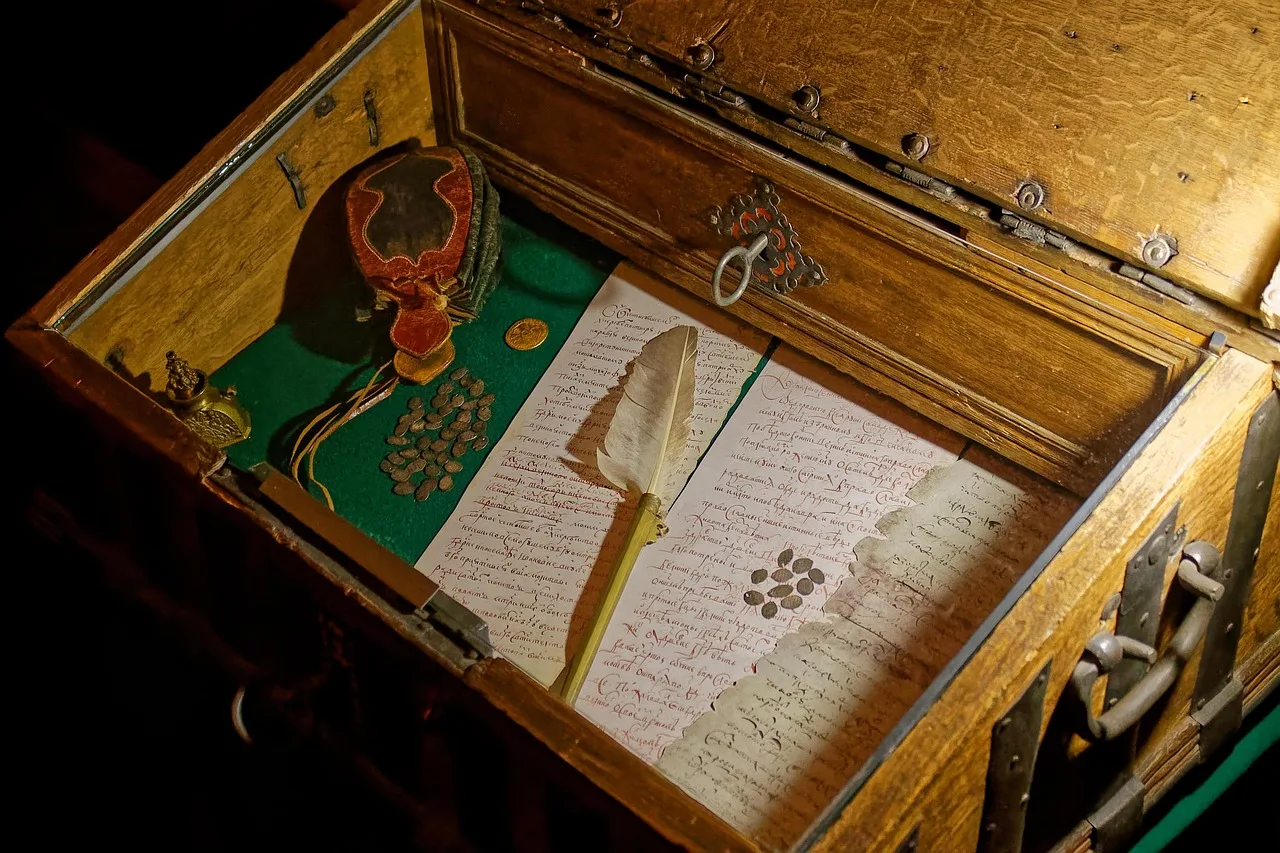
For paper, the choice is between the original and a surrogate. The National Archives sets out its reasoning on reformatting paper-based records. It advises a duplicate paper copy or a digital version for inherently unstable or fragile records, for access.
A facsimile captures the best image of a record that may keep deteriorating. It preserves the original if retained.
The usual candidates are highly acidic and unstable material: newspaper clippings, mimeographs, telegrams and some thermofax copies.
So the request to write is the one for a copy, with the reference number attached.
For a brittle clipping: "I would like a digital copy of this item, reference number [X], not the original. Has it been digitized already? If not, what would a scan cost, and how long would it take?"
For the original itself: "I need to compare the paper, the print quality and the binding. Could I see it supervised, and what handling rules would apply?"
The booking questions that decide a side trip are mostly settled before the visit, and they follow the same logic as a copy request.
Audio and film: the copy is the answer
For recorded media, the calculation is starker: access itself causes harm. The National Archives page about reformatting audio, video and motion picture records explains that a reformatted copy is recommended for use, because damage is possible each time such a record is played.
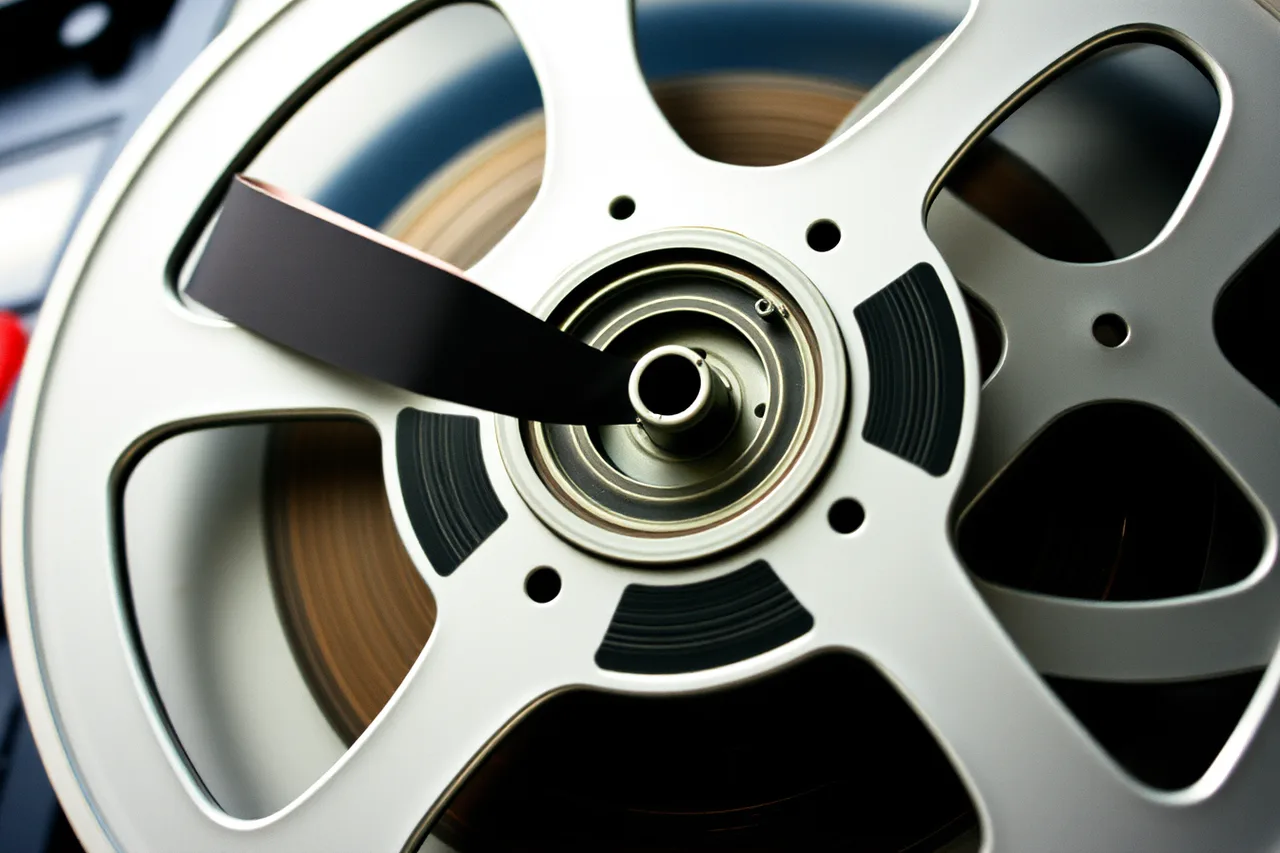
Digitization has replaced analog reformatting. Usually both a preservation copy and an access copy are made; the preservation copy is reserved and the access copy is used for research and programming.
Producing a good digital record takes appropriate equipment and specialized knowledge. An institution lacking them should approach a reputable company with relevant experience.
Cost depends on running time, format, tape condition and any restoration. Rates vary, so ask for a quote that separates those items.
So the honest request to a small museum holding one reel is not "may I hear it". It is "has it been digitized, and if not, what would a transfer cost and who would hold the file".
The same reasoning applied to a trip
Option A
- See it or copy it
- Travel to view
- One long visit or two short
- A full day
- Original or surrogate
- Ask for the original
- Now or after digitization
- Go this season
Option B
- See it or copy it
- Order a reproduction
- One long visit or two short
- Two half days
- Original or surrogate
- Accept a facsimile
- Now or after digitization
- Wait for a project
Decision rule
- See it or copy it
- Travel only if the object itself is the evidence. Otherwise order the copy.
- One long visit or two short
- One day if your list is settled. Two if the first look will change what you order next.
- Original or surrogate
- Ask for the original only if paper, ink or binding is what you are judging. Otherwise name the format you can use.
- Now or after digitization
- Go now unless a funded project has a date you can wait for.
Check whether a copy exists before you travel
Most wasted trips are avoidable. A copy often exists and nobody mentioned it.
Search the institution's online catalog by reference number. Many catalogs, including the National Archives Catalog, note which records are already digitized.
Read the finding aid for a microfilm publication number. Microfilm made decades ago sits in many large collections.
Search a union catalog such as WorldCat for a microfilmed or digitized copy held elsewhere.
Email reference staff one question: does a copy already exist, and in what format.
Ask about rights as well as existence. A copy you may not publish is a different answer from one you may.
The lesson
A visitor who frames a request this way gets a better answer more often. Say what you need to establish, name the format you can use, and offer the copy first.
The same question — what can safely come out, and what is worth the trip — shapes case studies with budgets and lessons, and how specialty museum exhibits compare on value, upkeep and fit.