Guides
Part of Independent museums: 16 signals to check before a visit
What to bring when visiting independently run museums: the short version
The kit and the expectations to bring to an independently run collection, especially where obsolete film and tape formats sit waiting for equipment nobody has.
Independently run museums hold things that larger institutions would have reformatted decades ago. Reels, cassettes, discs and cans sit in cupboards because nobody has the equipment or the money to play them. Knowing that in advance changes what you bring, what you ask, and what you can realistically hope to see.
What to take away
- Expect obsolete formats, and expect them to be unplayable on site.
- Bring the vocabulary to describe what you are looking at without touching it.
- Bring small cash, a pencil and patience; leave gloves and opinions at home.
- Offer to help identify formats rather than asking to play them.
Why so much is unplayable
Magnetic media is both fragile and equipment-dependent, a bad combination for a small institution. The National Archives explains on its page about machine-readable media that magnetic audio and video may be among the least stable formats in archival holdings, depending on age, tape type and storage history.
The medium deteriorates, and the right playback equipment may no longer be available.
That is why the reel on the shelf has not been heard since 1988. It is not neglect; it is that the machine to play it costs more than the museum's annual budget.
Film is the same story, and worse
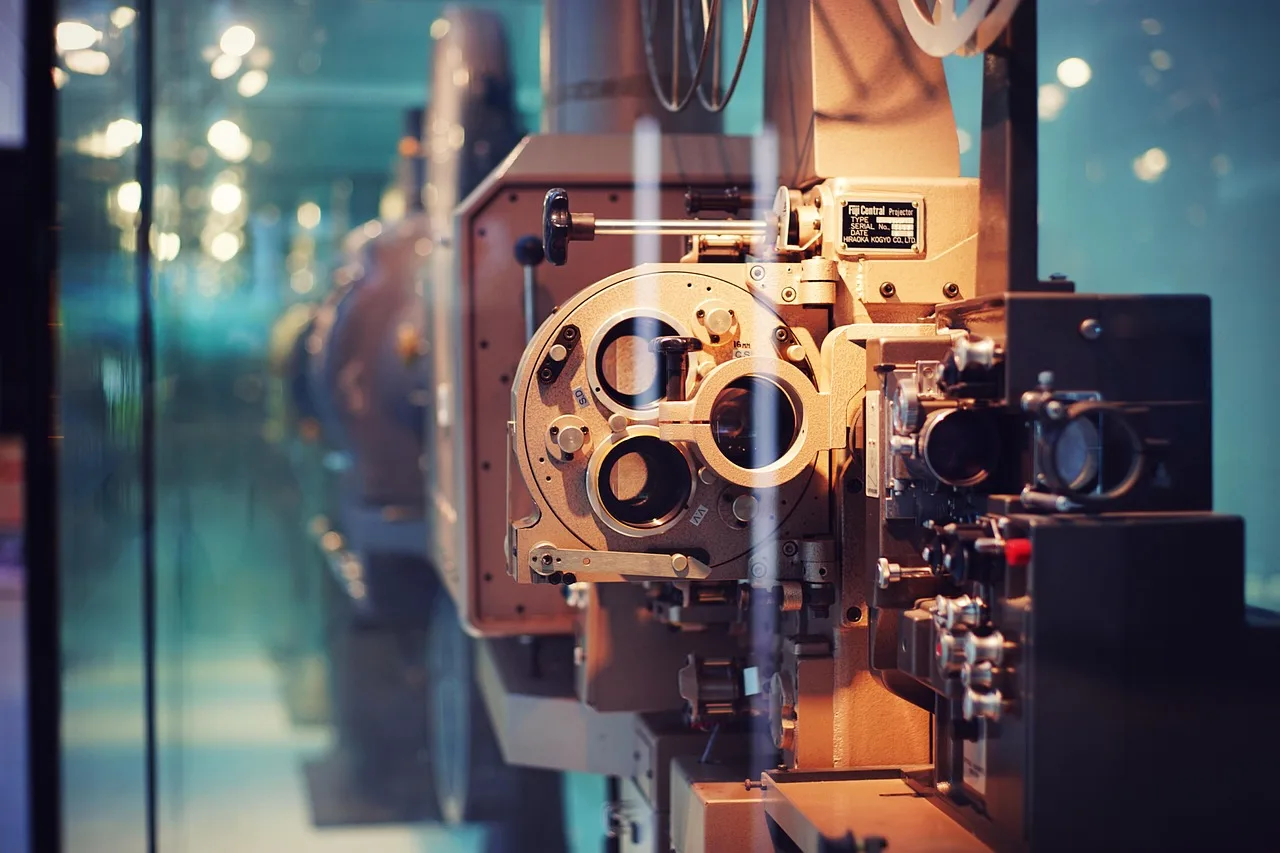
Motion picture film compounds the problem, because the wrong equipment actively destroys it. The National Archives advises on identifying motion picture film formats that most people and institutions lack the equipment to view film at all.
A projector and the film's condition should both be evaluated before any attempt, since film is easily damaged by a poorly maintained projector or by its own condition issues. Anyone wanting to preserve the content should seek a service provider experienced with archival film, who can stabilize it and make a digital copy.
Never ask a small museum to thread a reel for you. Ask instead what the can says, what gauge it is, and whether anyone has assessed it.
What to bring
- Pencil, notebook and small cash.The same everywhere, still true here.
- A phone with a good macro capability.Edge codes and can labels are small.
- A soft measuring tape.Useful for describing objects nobody has recorded.
- A printed list of what you want to see.Independent operators appreciate specificity.
- Enough vocabularyto say acetate, polyester, quarter-inch, sixteen millimeter without guessing.
What to leave behind
Your own gloves, your own cleaning materials, and the assumption that anything unlabeled is unimportant. Also leave behind the expectation of a catalog. Many of these collections are indexed in a person rather than a database, which is precisely why talking to that person is the visit.
What you can usefully offer
Format identification, if you know it. A photograph of a label that has never been recorded. A written note of what you saw, sent afterwards. Independent operators frequently have more material than documentation, and a visitor who leaves a tidy record behind is remembered.
The signals that mark out a well-run operator are in sixteen signals to watch in independently run museums, and the general packing case is covered in what to pack when a trip centers on museum visits.