Costs
A grounded museum weekend overview: typical ranges and checks for two people
A museum weekend for two, with typical ranges for fuel, lodging, meals and admissions, plus what to check before you book and why copies cost what they do.
What to take away
- A museum weekend for two people typically runs about $420 to $865, and most of that goes to fuel, lodging and meals rather than tickets.
- Admission is cost recovery. Climate control, storage and staff are paid whether ten people visit or a thousand.
- Copy and scan fees cover staff handling and rights checks, not paper.
- Winter closures and rotating displays are budget decisions you can see from outside.
- Single-subject museums carry the same cost categories as large ones with far fewer visitors.
Why the weekend costs what it does
A museum weekend costs what it does because your spending and the museum's spending meet in the same place.
Your side is fuel, beds and copies. The museum's side is heat, shelving, insurance and the hours spent keeping objects usable. The second explains the irritating parts of the first.
The traveler half of that budget is set out in 4 notes on museum trip costs worth reading.
The largest line in a small museum's budget is the building. Temperature and humidity stay steady all year. Shelving must not give off vapours, and boxes must not acidify. Staff check all of it on a schedule.
A two-room museum pays for the same categories as a large one, at smaller scale.
Admission rarely covers those costs. Take a typical small site: 3,000 paying visitors a year at $10 collects about $30,000. One climate system, an insurance premium and a part-time registrar can absorb most of it.
Museum operations mix admissions and tour revenue with endowment, government and private support.
Format choices are cost choices
Microfilm survives because it works cheaply. The National Archives explains on its page about microfilming records that microfilm is a low-cost, reliable, long-term, standardized image storage medium. It needs only light and magnification to read, and lasts hundreds of years.
Digital files need hardware, software and reformatting to avoid obsolescence. The Archives notes that film mainly needs shelving in a cool dry place.
A reel is cheap to store, a custom scan is expensive to make, and the reproduction fee carries that gap.
That is why a museum with no digitization budget still holds its local newspapers and still charges for copies. Photography add-ons work the same way, and what they really cost on a museum weekend lists the common ones.
Example: a two-person weekend, line by line
Two-person weekend, line by line
| Line | Typical range | What drives it |
|---|---|---|
| Fuel, 300 to 500 miles round trip | $35 to $80 | Distance and pump price |
| Lodging, two nights | $220 to $380 | Season and town alternatives |
| Meals, two people over three days | $120 to $240 | Local supply |
| Admissions, three small sites | $30 to $90 | Whether a site charges or asks for a donation |
| Copies, scans and permissions | $5 to $40 | Page fees, staff handling, rights checks |
| Parking and tolls | $10 to $35 | City or rural route |
| Total | about $420 to $865 | Most of it outside the museum |
Those are typical ranges rather than quotes, and the spread is wide.
The copy fee is not the price of paper. It is the price of a person standing over a fragile original, deciding whether it can be copied at all.
What to check before you book
- Confirm opening days for your dates, especially from October to April.
- Ask what a scan or print costs, and whether the item may be copied at all.
- Ask whether a guided tour is included or sold separately.
- Check the card and cash policy, since small sites still run on cash.
- Look at lodging options before an event weekend fills the town.
Direct questions settle most of these before you commit, and the questions that matter for 2027 is a short list worth copying.
Where small museums sit, and what they charge
Single-subject collections sit at the cheap end of the market. Take the Jell-O Gallery in Le Roy, New York, the Kansas Barbed Wire Museum in La Crosse, Kansas, or the National Mustard Museum in Middleton, Wisconsin. Each is built around one subject and kept going by a historical society, a volunteer board or a founder's family.
For sites in this group, adult admission typically falls between $3 and $12, and many ask for a donation instead. A few charge nothing, where a company or a county carries the building.
Retail can matter as much as the door. A shop selling books, postcards and reproductions sometimes out-earns the admission desk.
What this means for the museum's own budget
Preservation funders now treat energy and running costs as part of the preservation problem. The National Endowment for the Humanities gathers material on sustainable preservation strategies for its Sustaining Cultural Heritage Collections program.
Many small museums aim for a stable environment achieved cheaply rather than a perfect one achieved expensively. That choice shows up as shorter winter hours, dimmer galleries and rotating displays.
If you build a route around two or three of them, getting small museums right the first time shows how to sequence stops so travel and opening hours line up.
Common questions
How much should I budget for a two-person museum weekend?
Why does a copy cost more at a museum than at a print shop?
Do my tickets pay for conservation?
How else can I help a small museum?
In this guide
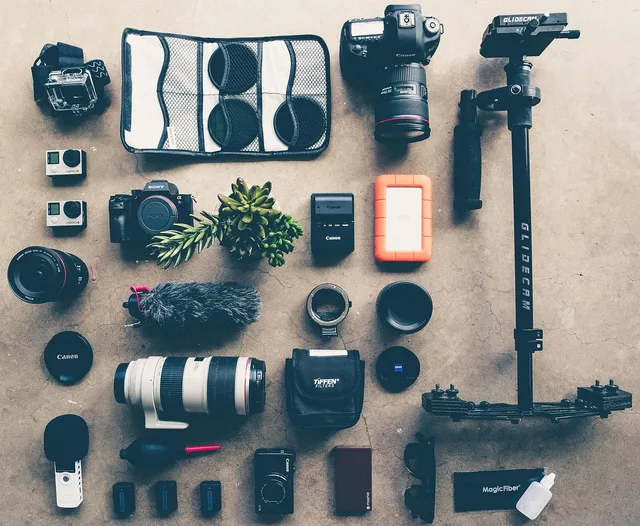
- Photography add-ons and what they really cost on a small-museum weekendWhat photography really costs on a small-museum weekend: when to shoot yourself, when to order a copy, how small museums set their own rules, and what each option delivers.
- What it costs a small museum to open for the weekend: a closer lookWeekend opening costs at a small museum run through staffing, climate control, insurance, cleaning and security, and grants rarely cover any of it.