Guides
Museum itinerary building explained as a dependency problem
Museum itineraries are dependency problems, not wish lists. How to stage the research, order the stops, and build in the slack that keeps a plan intact.

Archive
Guides
Museum itineraries are dependency problems, not wish lists. How to stage the research, order the stops, and build in the slack that keeps a plan intact.
Features
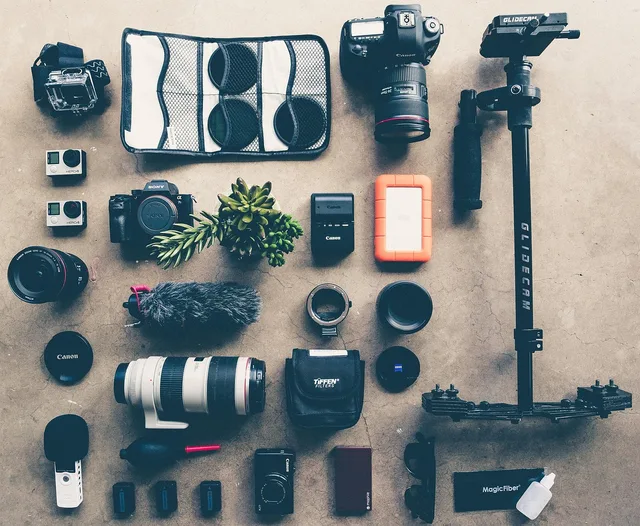
What photography really costs on a small-museum weekend: when to shoot yourself, when to order a copy, how small museums set their own rules, and what each option delivers.
Features
A practical set of questions for unusual museums, with low-light kit suggestions, National Archives rules as a reference, and document-copying advice.
Guides
A working two-day shape for a small-museum trip, with appointment timing, retrieval waits, and the second day kept free for what the first turns up.
Rules
How to find out whether a small museum is genuinely usable: the questions to ask, the standards behind them, and services worth requesting ahead.
Features
Museum trips: how seasonal hours, building climate control and weather closures shape when a museum trip works, and how changes to opening times get announced.
Features
Why small museums rotate museum exhibits: fading risk, rest periods and facsimiles, tour schedules, program seasons, and five steps for timing your visit.
Guides
How to find small, unusual and overlooked U.S. museums, judge what a collection really holds, and confirm hours and access before you drive out.
Industry
Plan museum trips to small collections: find local expertise through humanities councils and museum staff, then agree on the visit before meeting a guide.
Industry
Where to find people who can interpret specialty museum exhibits: curators' credits, teachers trained on funded institutes, and unadvertised talks.
Guides
A practical plan for museum trips: find small, unusual collections, choose a question, confirm access and hours, and plan around what each museum can show.
Costs
A breakdown of what a museum trip costs, from mileage and motel rates to photocopies and microfilm, plus the booking habits that cut the total.
Guides
A practical guide to unusual museums: what to ask about hours, current exhibits, entry rules, accessibility, payment, and slow replies before you drive.
Maintenance
A first visit to small museums rewards a slower look. Learn to read labels, ask staff useful questions, and notice what original objects can show.
Features
Four overlooked details decide whether a small museum trip works: the 501(c)(3) line, camera rules, access statements and seasonal dark days.
Reviews
Permanent, temporary and traveling exhibitions compared: what each type can show, what it costs a small museum, and which is worth timing a trip for.
Costs
Why specialty museum exhibits cost extra: estimated visitor and mounting lines, from loan fees and freight to timed entry, plus the rules behind them.
Guides
Use six steps to read museum exhibits at a specialty museum, from checking the object list to returning to the signs and objects that anchor the display.
Guides
The kit and the vocabulary worth carrying into a specialty exhibition, so you can read what is in the case rather than only the label beside it.
Costs
Weekend opening costs at a small museum run through staffing, climate control, insurance, cleaning and security, and grants rarely cover any of it.
Costs
Unusual museums reward a weekend detour when a focused collection beats filler, but skip padded exhibits and judge each stop before you drive.
Guides
Planning museum trips around small collections? Here is what to carry past the front desk, what the door checks, and what to leave in the car.
Costs
A museum weekend for two, with typical ranges for fuel, lodging, meals and admissions, plus what to check before you book and why copies cost what they do.
Industry
How to choose a base for a small-museum trip: pick the building rather than the city, and let opening hours and evening programs decide the town.